
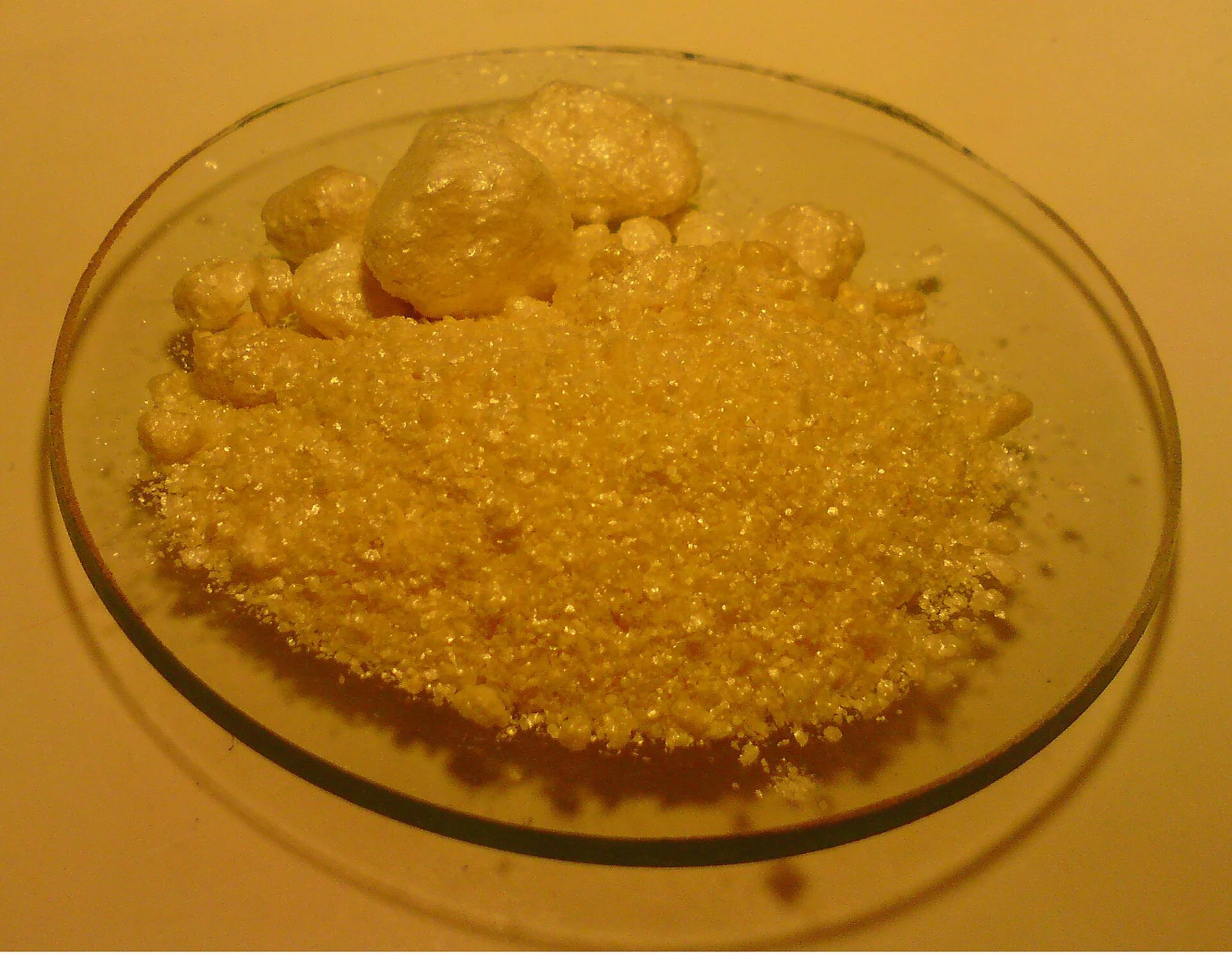
Stearic acid sample; identity and specification are confirmed for each offered material.
Turn a formulation need into a material brief
An oleochemical enquiry should name the required substance or product, the function it serves and the specification needed by the formulation team. Asking only for oleochemicals is too broad to support a useful quotation. Identify whether you need an exact approved material or are considering alternatives.
For a Bangladesh manufacturer comparing suppliers, give purchasing and technical colleagues the same reference. State the finished-product application, expected consumption and documents needed before a sample or commercial purchase can be evaluated.
Separate chemical identity from grade suitability
Oleochemical portfolios can include fatty acids, fatty alcohols, glycerine and related derivatives. A substance name is still not a complete specification for a particular formulation.
Ask for the exact offered identity, product designation, composition and grade. Do not infer personal-care, food or pharmaceutical suitability from a broad material description. Request the application-specific evidence required by your own customer and technical or regulatory advisers.
Choose quality parameters with the formulation team
Start with an approved specification rather than copying values from another product. Ask the supplier to respond parameter by parameter, identify its test methods and state any deviations. Depending on the substance and intended use, your team may need to assess composition, moisture, appearance or other defined characteristics.
Distinguish specification limits from typical values and from batch test results. Agree which information belongs in the technical data sheet and what evidence will accompany the lot you receive.
Check documents and qualify the material
Obtain a current SDS and technical information for the exact product. Ask about packaging, storage guidance and batch traceability. Refer handling and formulation decisions to qualified personnel using that documentation.
Set a controlled trial and clear acceptance tests before making a replacement. Record the proposed source, batch, formula reference and observed result. If feedstock or sourcing claims matter to your customer, ask for product-specific evidence and clarify the scope of any certificate.
Compare offers on an equivalent commercial basis
Match quantity, physical form, packing, destination and delivery assumptions before comparing prices. Identify any additional sampling, testing or documentation work needed to approve an offer. Keep those open tasks visible rather than treating the quotation as a technical approval.
ECHO’s oleochemical application pages organize enquiries around soap and detergents, personal care, industrial lubricants and chemical formulation. Use the closest application to begin, then provide the exact material and specification for the sourcing discussion.
Buyer checklist
- Chemical or commercial product identity
- Exact grade and approved specification
- Required technical, safety and batch documentation
- Formulation trial and customer-specific evidence
- Packing, volume, destination and delivery schedule
Frequently asked questions
Can a general industrial grade be used in personal care?
Do not assume suitability. The formulation and regulatory teams should verify the exact grade and the documentation required for the intended finished product.
Does a common chemical name identify one interchangeable product?
No. Grade, composition, specification and source can differ. Confirm the exact offered material and evaluate it against your approved requirement.
What should accompany an oleochemical quotation?
Ask for exact product identity, grade information, technical and safety documents, packing and commercial terms, plus any application-specific evidence your team requires.
Sources and further reading
Discuss your material requirement.
Share the application, specification and quantity with our team.
This article provides general guidance. Verify technical specifications and requirements for your material, grade and destination before purchasing.
← Back to Industry Insights